

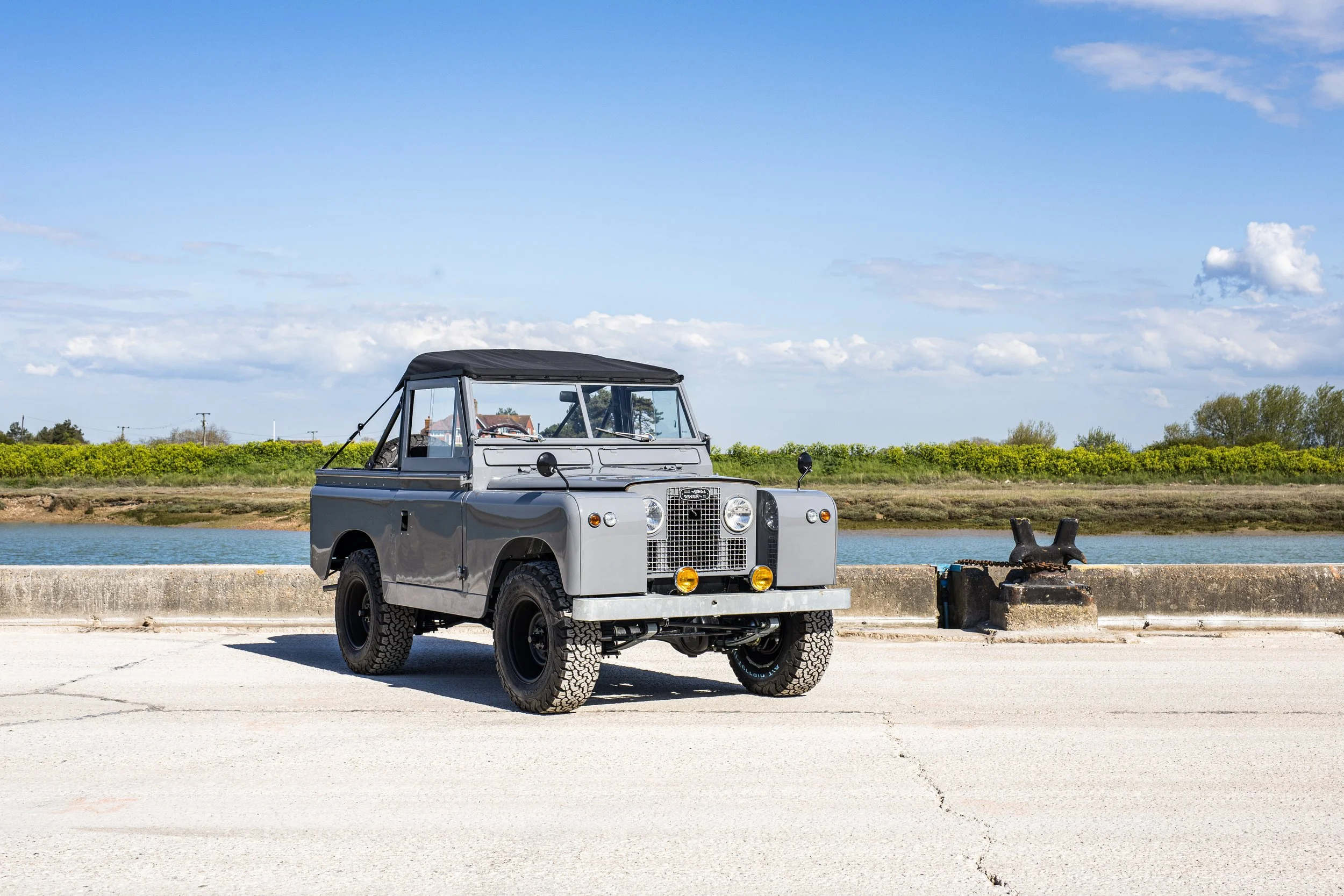
A vintage Land Rover Defender is one of the few classic vehicles people genuinely want to drive rather than store. That is exactly what makes buying one complicated. You are not looking for a museum piece, you are looking for something that survived thirty or forty years of real use and can survive thirty or forty more.
This is what to look at before you buy, what the price differences actually mean, and where most people get caught out.
What counts as a vintage Defender
The classic Defender ran from 1983 until production ended in 2016, though the shape traces directly back to the Series Land Rovers of the 1940s. In practice, when people search for a vintage Defender they usually mean one of three things:
| Era | What You Get |
|---|---|
| Series (1948–1985) | The original. Simplest mechanically, most agricultural to drive, strongest period character. Series 2A and 3 are the most commonly restored. |
| Defender 90 / 110 (1983–2006) | The classic Defender shape with coil suspension. The sweet spot for most buyers wanting vintage looks with usable road manners. |
| Late Defender (2007–2016) | Puma dashboard, more modern drivetrain and interior. Easier to live with, but less of the raw vintage feel people are usually after. |
There is no single "best" era. It depends entirely on whether you want the original mechanical experience or the vintage silhouette with a drive that suits modern roads. We cover this comparison in more detail in our guide on classic versus new Defenders.
What actually fails on a vintage Defender
Almost every problem with an old Defender falls into one of five categories. If you are inspecting a vehicle, start here.
Chassis corrosion
This is the one that ends projects. Check the rear crossmember, the outriggers, and the chassis rails behind the front wheels. Surface rust is normal and fine. Structural rot means the vehicle needs a new or fully sectioned chassis, which changes the entire economics of the purchase.
Bulkhead rot
The footwells and the area around the door hinges are notorious. Bulkhead replacement is labour-intensive and expensive, and a fresh coat of paint hides it easily. Look and feel, do not just look.
Wiring
Forty years of repairs, additions, and roadside fixes leave most original looms in poor condition. Electrical faults on old Defenders are rarely one problem, they are usually a symptom of a harness that needs replacing entirely.
Cooling and oil leaks
A weeping oil leak is almost a Defender tradition and not necessarily serious. Overheating is. Check for a cooling system that has been repeatedly patched rather than properly rebuilt.
Provenance and paperwork
Chassis numbers, import history, and service records matter more on vintage vehicles than almost anything else. A well-documented average vehicle is usually a better buy than an undocumented excellent-looking one.
We go deeper on inspection in our article on what to check before buying a Defender, and on the reliability question specifically in how reliable a classic Defender actually is.
The three ways to buy
Broadly, there are three routes, and the right one depends on how much of the work you want to take on yourself.
| Route | What It Means |
|---|---|
| Buy original | Cheapest entry, highest ongoing risk. You inherit whatever the last forty years did to it, including everything the seller does not know about. |
| Buy restored | Someone else has done the work. Quality varies enormously, and "restored" is not a regulated term. Ask exactly what was replaced, not what was repainted. |
| Commission a build | Highest cost, lowest risk. The chassis, wiring, drivetrain and interior are all new or rebuilt, and you specify how the vehicle is finished. |
Our full breakdown of these options, including what each realistically costs, is in buying a Land Rover Defender: used, restored, or built from scratch and the Defender restoration cost guide.
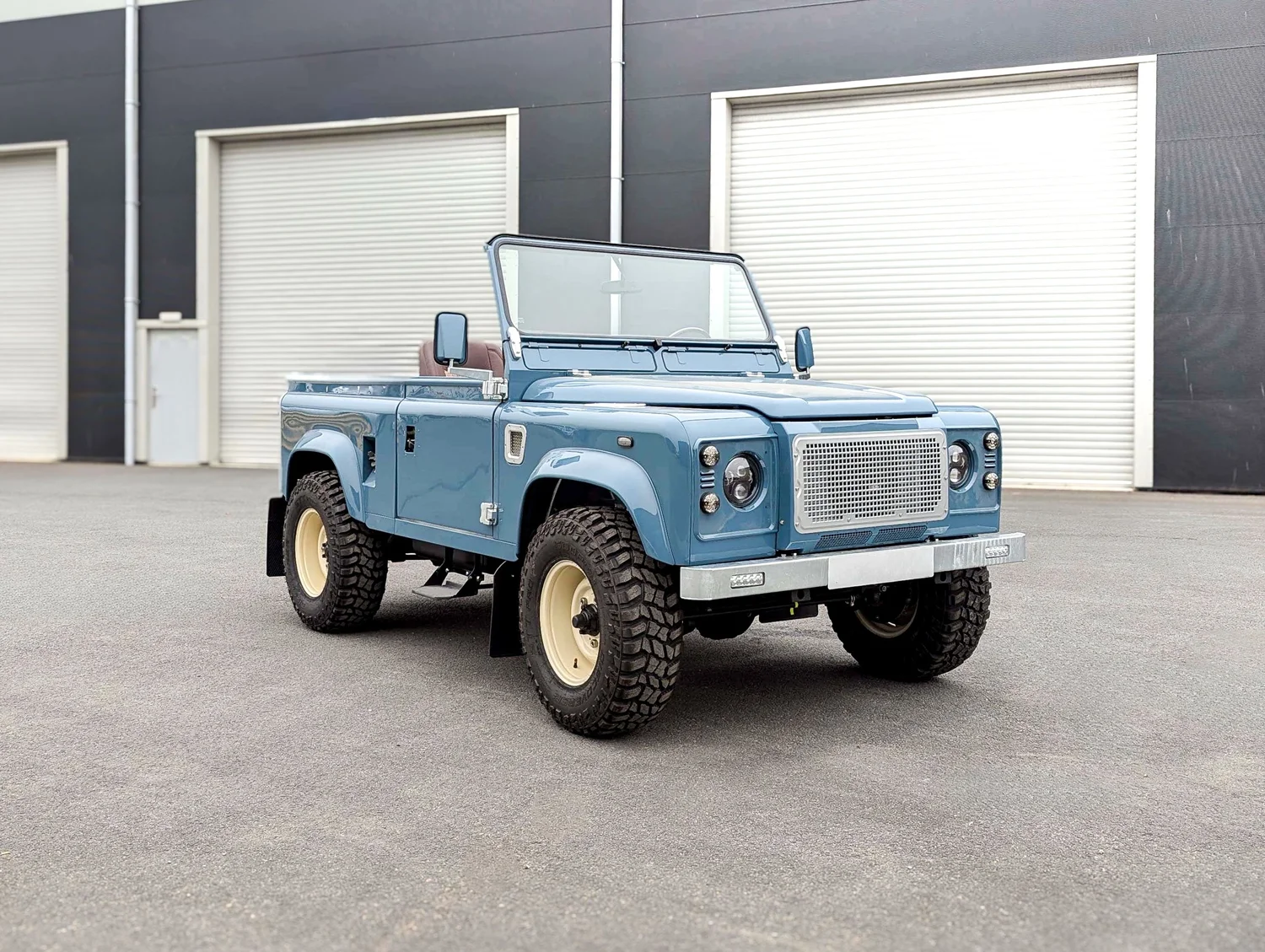
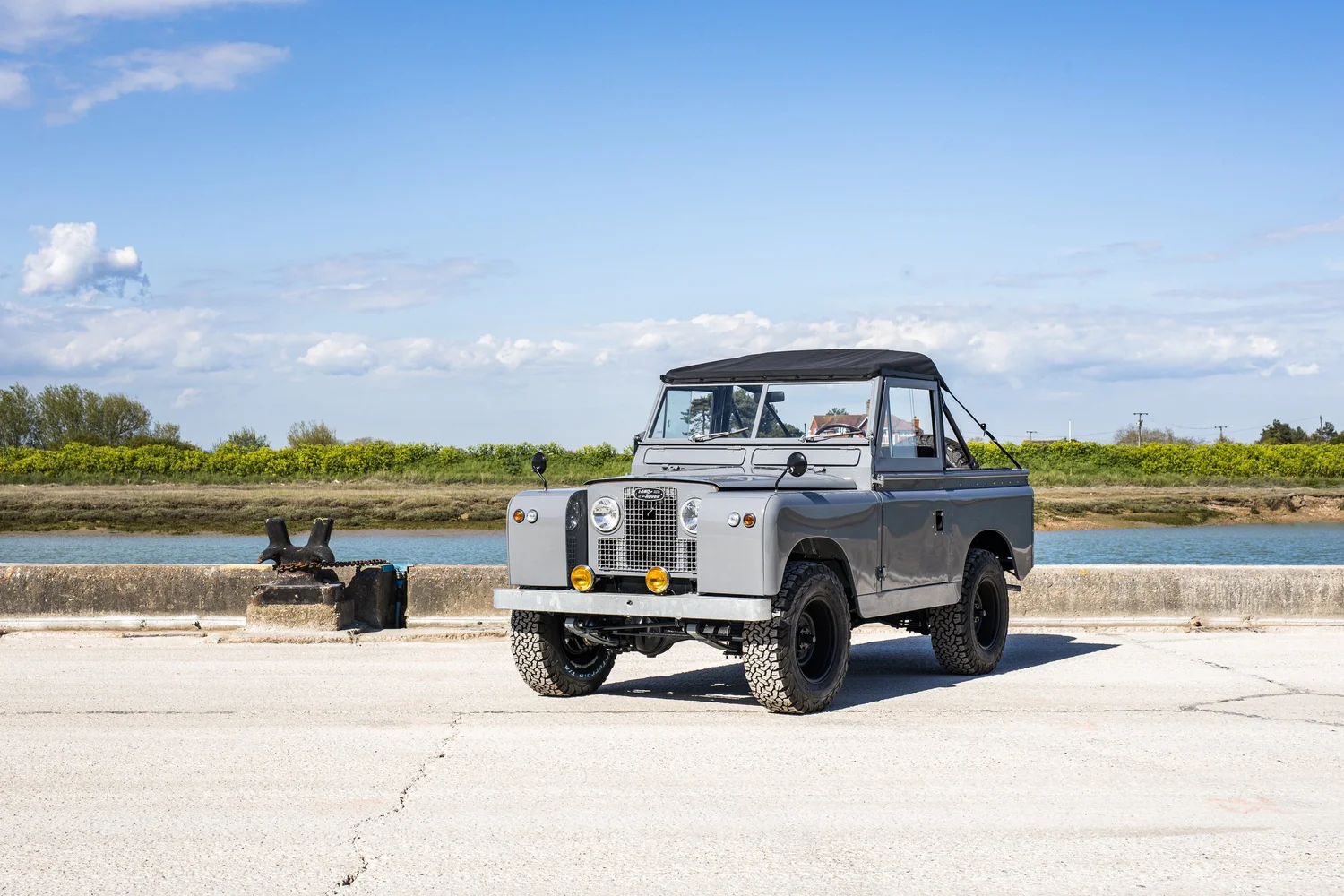
Vintage Builds from Shoreline
What a vintage Defender should cost
Prices vary enormously, and the number usually tells you what state the vehicle is genuinely in. A cheap vintage Defender is not a bargain, it is a project with an unwritten invoice attached.
If you are buying restored or commissioning a build, the questions that matter are the same ones that determine cost: was the chassis replaced or treated, was the wiring renewed or patched, was the drivetrain rebuilt or just serviced. Those three answers separate a vehicle that lasts from one that does not.
You can see current availability and pricing across our editions on the custom Defenders for sale page, and browse completed builds under our builds.
The bottom line
A vintage Defender is worth buying if you go in knowing what you are buying. Check the chassis and bulkhead properly, treat the wiring as a cost rather than an unknown, and be honest about whether you want a project or a finished vehicle. The people who end up disappointed are almost always the ones who bought a project while believing they were buying a finished car.
If you want the vintage character without inheriting the vintage problems, a ground-up build is the route that removes the guesswork. Our Heritage and Classic editions are built exactly for that: original character, rebuilt from the chassis up.
Looking for a vintage Defender?
Tell us how you want to use it and what you want it to look like. We will talk you through the options and what they cost.
GET IN TOUCH